
Anxiety 8 min
Grounding Techniques for Anxiety: 10 Ways to Feel Present Again
Try these 10 grounding techniques for anxiety, from the 5-4-3-2-1 method to quiet tools you can use at work, on a bus or in bed to feel calm and present.
Every guide we publish, grouped into six topic hubs. Each one is written in plain language, lists its sources and ends with practical steps you can try today. New here? Start with the hub that matches how you feel right now, or head back to the Spiritualhubz.com homepage for an overview.
Simple, evidence-informed ways to calm an anxious mind and body, from grounding and breathing skills to handling panic, overthinking and social fears.
Try these 10 grounding techniques for anxiety, from the 5-4-3-2-1 method to quiet tools you can use at work, on a bus or in bed to feel calm and present.

Learn how to calm a panic attack with clear steps for the moment it starts, what to say to yourself, how to help someone else and how to lower future attacks.

Learn how to stop overthinking with 9 simple CBT-based steps: spot worry loops, set a daily worry time, check anxious thoughts and decide with less stress.

From a racing heart to stomach trouble and tingling hands, learn the physical symptoms of anxiety, why they happen, how to ease them and when to see a doctor.

Practical social anxiety tips for before, during and after social events, with easy conversation openers, a step-by-step confidence plan and advice on help.
Clear, evidence-informed guidance on stress and burnout, from spotting early warning signs and managing daily pressure to setting boundaries and rebuilding your energy.

Learn how to recover from burnout with a realistic 8-step plan: cut demands, rebuild energy, talk to your manager and prevent it from coming back.

Learn how to relax after work with a simple shutdown ritual and 10 practical ways to switch off, recharge and keep work from taking over your evenings.

A practical guide to setting healthy boundaries at work, with family and with friends, including six clear steps, word-for-word scripts and help with guilt.

Learn the signs of burnout, from deep exhaustion and cynicism to sleep and focus changes, how it differs from stress and depression, and when to get help.

Practical stress management techniques sorted by time: one-minute resets, ten-minute tools and weekly habits, with a simple guide to choosing what fits.
Poor sleep and a struggling mind often feed each other. These calm, practical guides explain why and show you small, realistic steps toward easier nights and steadier days.

Build a bedtime routine for better sleep with a simple 60-minute wind-down plan, plus easy versions for parents, shift workers and low-energy nights.

Learn how sleep affects mental health, from mood and stress to focus and anxiety, and how to spot your own patterns so you can protect both sleep and mood.

Learn how to fall asleep when anxious with 7 body-calming steps, including slow breathing and muscle relaxation, plus what to do if you wake at 3 a.m. worried.

Racing thoughts at night keeping you awake? Try 8 practical techniques to quiet a busy mind, from an evening worry list to cognitive shuffling in bed.

Practical sleep hygiene tips arranged from morning to bedtime: 12 simple habits that support better sleep and mood, plus myths to skip and when to get help.
Practical mindfulness and meditation guides for real life. Learn to steady a busy mind, reconnect with your body and find meaning, at your own pace and alongside any care you receive.
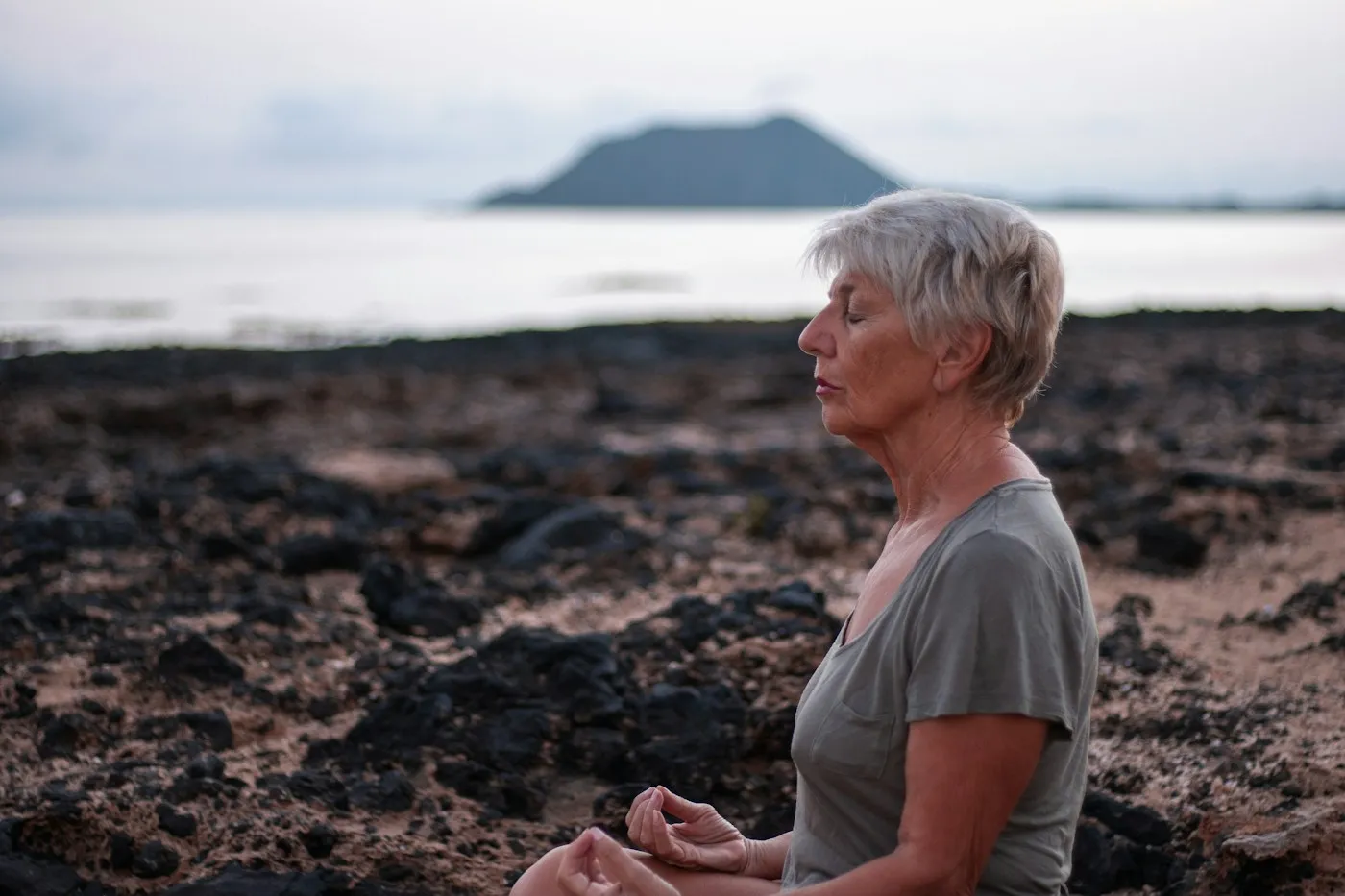
The benefits of meditation for stress, anxiety, depression, sleep and pain, explained honestly: what research supports, what is unclear and what to expect.

Learn body scan meditation with a full step-by-step script, a 3-minute version and a bedtime option, plus gentle tips for staying comfortable.

Learn how to meditate for beginners with 8 simple steps, a four-week starter plan and easy fixes for a wandering mind, restlessness and sleepiness.

Try 10 simple mindfulness exercises you can do anywhere, from a mindful first sip to a three-minute breathing space, with clear steps and timings.

Spirituality and mental health for people of any faith or none: how meaning, practice and community can help, when they hurt, and how to get support.
Small, steady habits can make hard days lighter. Explore practical self-care and journaling guides you can start today, with no special tools, big budget or perfect routine required.

A digital detox doesn't mean quitting your phone. Follow this realistic 7-day plan to cut mindless scrolling, protect your sleep and feel calmer.

Learn how to start a gratitude journal in six simple steps, with fresh prompts, example entries and honest advice for days when gratitude feels hard.

40 journaling prompts for mental health, sorted by mood: anxious days, low moods, stress and self-kindness, plus a simple 10-minute method to get started.

Build a calm morning routine for mental health in 10 to 45 minutes, with daylight, movement, a quick check-in and one clear priority. Sample plans included.

45 practical self-care ideas sorted by time and energy, from two-minute resets to low-energy days, plus a simple way to build your own self-care plan.
A calm, step-by-step guide to therapy and support: how talk therapy works, how to find the right help, how to support someone you love, and where to find free help today.
A trusted list of free mental health resources: 24/7 crisis lines, free and low-cost therapy, peer support and self-help tools for the US, UK and worldwide.

Learn how to find a therapist in 8 practical steps: where to search, how to check credentials, how to handle cost, and what to ask before you book.

How to help someone with depression: signs to notice, what to say and avoid, practical daily support, safety steps, and how to look after yourself too.

Types of therapy explained simply: CBT, DBT, ACT, IPT, EMDR, psychodynamic, group and family therapy, plus how to choose the right approach for you.

What is CBT? Learn how cognitive behavioral therapy works, what happens in sessions, core techniques like thought records, and whether it may suit you.
You do not have to face this alone. If you are in immediate danger, call your local emergency number. For free, confidential support at any hour, reach out to a crisis line.