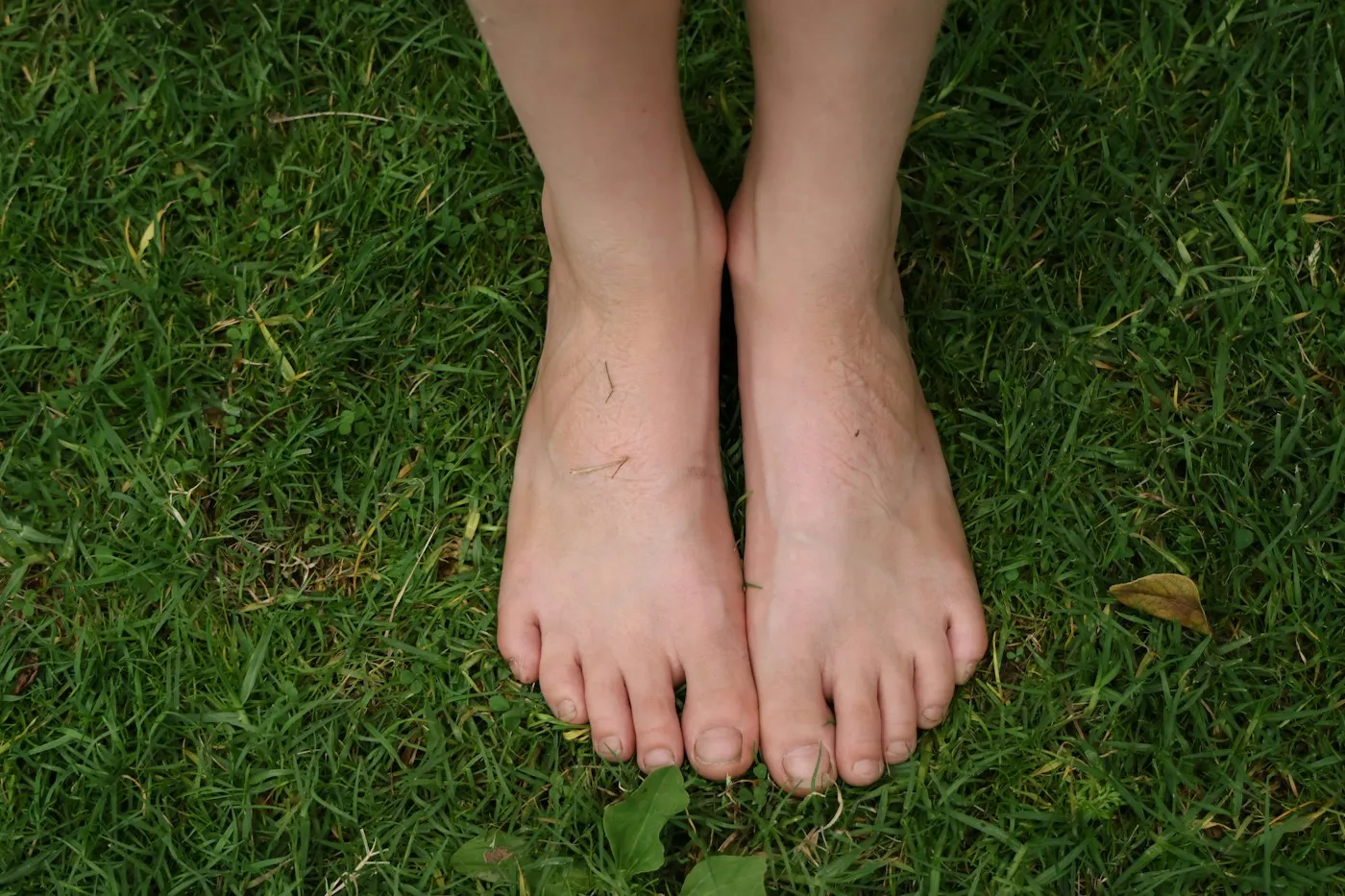
Anxiety 8 min
Grounding Techniques for Anxiety: 10 Ways to Feel Present Again
Try these 10 grounding techniques for anxiety, from the 5-4-3-2-1 method to quiet tools you can use at work, on a bus or in bed to feel calm and present.
Simple, evidence-informed ways to calm an anxious mind and body, from grounding and breathing skills to handling panic, overthinking and social fears.

Every article in this hub, written in plain language with practical steps you can use today.
Try these 10 grounding techniques for anxiety, from the 5-4-3-2-1 method to quiet tools you can use at work, on a bus or in bed to feel calm and present.
Learn how to calm a panic attack with clear steps for the moment it starts, what to say to yourself, how to help someone else and how to lower future attacks.
Learn how to stop overthinking with 9 simple CBT-based steps: spot worry loops, set a daily worry time, check anxious thoughts and decide with less stress.

From a racing heart to stomach trouble and tingling hands, learn the physical symptoms of anxiety, why they happen, how to ease them and when to see a doctor.

Practical social anxiety tips for before, during and after social events, with easy conversation openers, a step-by-step confidence plan and advice on help.
Anxiety is one of the most common things people struggle with, and one of the most misunderstood. It can show up as a racing mind at 2 a.m., a tight chest before a meeting, or a vague sense that something is about to go wrong. The encouraging news is that anxiety responds well to practice. Small, repeatable skills can turn the volume down, and effective treatment exists when self-help is not enough.
This page is the starting point for everything we publish on anxiety relief at Spiritualhubz.com. It explains what anxiety is, how to recognize it, which approaches have the strongest support, and where to go next. Each section points to a deeper guide, so you can go straight to the problem that matters most to you today.
Anxiety is your body’s alarm system. When your brain senses a threat, your body releases stress hormones such as adrenaline and cortisol. Your heart speeds up, your muscles tighten and your attention narrows so you can react quickly. The NHS guide to anxiety, fear and panic explains that this response can be useful in some situations, but it can also cause physical symptoms such as a faster heartbeat and sweating.
The trouble starts when the alarm goes off too often, too loudly, or when there is no real danger. According to the World Health Organization, anxiety disorders are the most common mental disorders in the world, affecting an estimated 470 million people in 2023. WHO also reports that only about 1 in 4 people who need treatment receive any. If you are struggling, you are far from alone, and there is a real chance that help you have not tried yet could make a difference.
Everyday anxiety and an anxiety disorder sit on a spectrum. Feeling nervous before an exam or a job interview is normal. Worry that is hard to control, lasts for months and gets in the way of work, sleep or relationships deserves more attention.
Anxiety affects the mind, the body and behavior. You might notice:
Common triggers include work pressure, money problems, health worries, relationship strain, big life changes and difficult past experiences. Sometimes there is no obvious cause at all, which can feel unsettling in itself. Anxiety also has several recognized forms, including generalized anxiety disorder, panic disorder, social anxiety disorder and specific phobias. It is common to experience more than one.
There is no single fix, but several approaches have solid support. Think of them as layers you can combine rather than a test you have to pass.
Sleep and anxiety feed each other, so if worry keeps you awake at night, our guide to sleep and mental health is a useful companion to this one.
The Spiritualhubz.com editorial team built each guide below around one specific problem, with step-by-step tools you can use right away.
When anxiety pulls you into “what if” thinking, grounding brings you back to the present through your senses and your body. Our guide to grounding techniques for anxiety walks you through the 5-4-3-2-1 method, temperature and touch tools, and quiet techniques you can use at your desk or on a bus without anyone noticing.
Overthinking often feels like problem-solving, but it rarely produces answers. In our guide on how to stop overthinking, you will learn to tell useful thinking from rumination, set aside a short daily worry window, and use a few simple questions that break the loop.
A panic attack can feel like a medical emergency, even though panic attacks themselves are not dangerous. Our step-by-step guide on how to calm a panic attack covers what to do in the moment, what to say to yourself, and how to support someone else through one.
Many people first notice anxiety in their body, not their mind. Our explainer on the physical symptoms of anxiety goes through the most common sensations from head to toe, explains why they happen, and lists the warning signs that always need a medical check.
Social anxiety is more than shyness. Our practical social anxiety tips include conversation openers, ways to move your attention away from yourself, and a gentle step-by-step plan for facing situations you have been avoiding.
Self-help tools work best for mild to moderate anxiety. Reach out to a doctor or licensed mental health professional if:
A doctor can check for physical causes, such as thyroid problems or side effects of other medicines, and talk you through treatment options. The main treatments are talking therapies, especially CBT, and in some cases medication. Decisions about medication always belong with a doctor who knows your history. The NIMH overview of anxiety disorders is a clear, plain-language read before an appointment, and our therapy and support hub can help you understand your options.
If you ever feel unable to keep yourself safe, contact your local emergency number right away. In the US you can call or text 988 to reach the 988 Suicide and Crisis Lifeline, and people in other countries can find a local helpline at findahelpline.com.
You do not need to read everything at once. Pick the guide that matches what feels hardest right now, try one technique, and notice what shifts. Anxiety relief is built through small, repeated practice, not a single breakthrough.
Here at Spiritualhubz.com, every guide is written in plain language and checked against trusted health sources, as described in our editorial policy. When you are ready to explore related topics such as stress, sleep, mindfulness and self-care, head back to the Spiritualhubz.com home page to browse the full library.
Start with your body. Slow your breathing so the out-breath is gentle and unhurried, relax your shoulders and press your feet into the floor. Then name five things you can see. These steps send a signal of safety to your nervous system within a few minutes. They will not remove every worry, but they usually take the edge off enough for you to think clearly again.
Everyday anxiety often eases once a stressful situation passes. Ongoing anxiety that lasts for months usually needs active help, such as self-help skills based on cognitive behavioral therapy, lifestyle changes or professional treatment. Avoiding the things you fear tends to keep anxiety going. The encouraging part is that anxiety disorders are very treatable, and most people improve with the right support.
Stress is usually a response to a clear outside pressure, such as a deadline or a bill, and it tends to fade when that pressure goes away. Anxiety is the body's alarm response and can continue even when there is no current threat. When worry feels out of proportion, lasts a long time or disrupts daily life, it may be an anxiety disorder worth discussing with a doctor.
See a doctor if anxiety is present most days, feels hard to control, or is affecting your sleep, work or relationships. Also get help if you have panic attacks, avoid more and more situations, or rely on alcohol or drugs to cope. A doctor can rule out physical causes and explain treatment options. If you feel unable to keep yourself safe, contact emergency services right away.
This page is for general information and is not medical advice. Read our disclaimer and editorial policy.
Mental health is connected. These hubs cover the other areas that shape how you feel each day.
You do not have to face this alone. If you are in immediate danger, call your local emergency number. For free, confidential support at any hour, reach out to a crisis line.