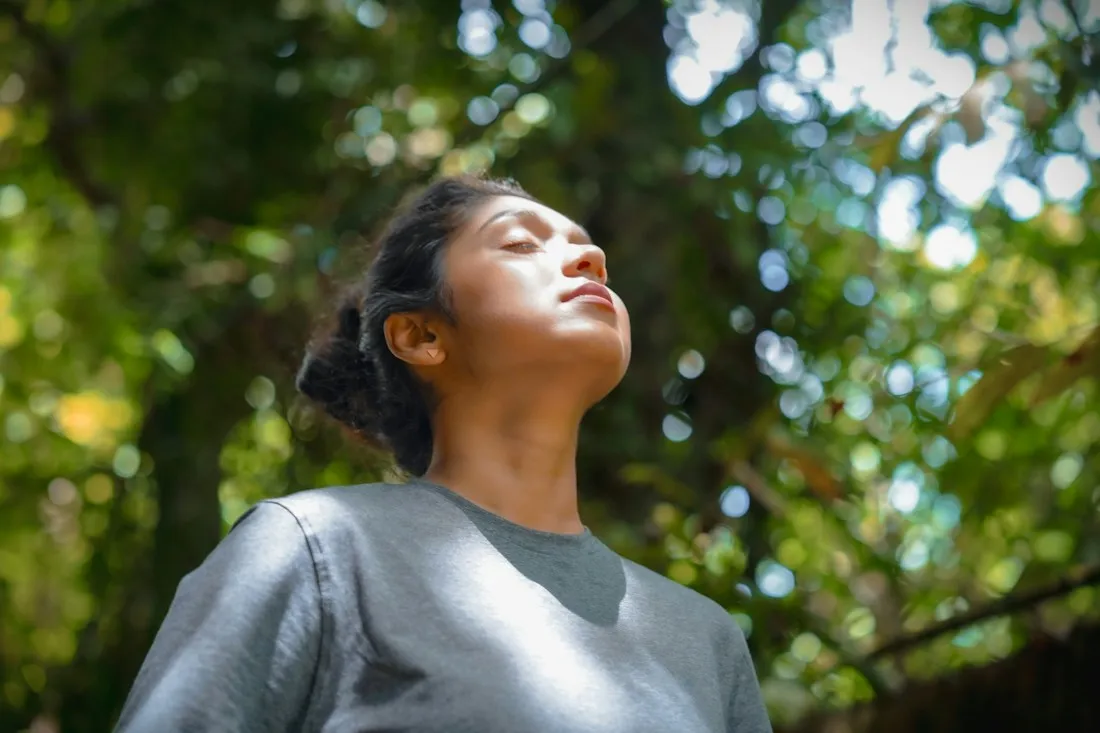
Anxiety 38 min
Anxiety Relief: Practical Tools to Calm an Anxious Mind
Simple, evidence-informed ways to calm an anxious mind and body, from grounding and breathing skills to handling panic, overthinking and social fears.
Spiritualhubz.com is a free mental health resource that blends evidence-informed psychology with gentle mind-body practices. Explore clear guides on anxiety, stress, sleep and self-care, and build small daily habits that help you feel steadier, one day at a time.
What is on your mind today? Search a topic or pick one below.
We have not written about that yet. Suggest it as a topic or browse every guide by topic.

Looking after your mental health should not feel confusing or cold. Spiritualhubz.com brings together reliable information and calming daily practices, so you always know what is happening and what you can do next.
Every guide is built on published research and trusted health bodies such as the WHO, NHS and NIMH, then explained in plain, everyday language.
We look at the whole person: thoughts, emotions, sleep, movement, relationships and the sense of meaning that keeps you going.
Each article gives you simple steps, exercises and prompts you can use today, even on a hard day when your energy is low.
Start with the topics our readers look for most. Each hub explains what is going on in your mind and body, then leads you to focused guides with realistic steps to start feeling better.
Simple, evidence-informed ways to calm an anxious mind and body, from grounding and breathing skills to handling panic, overthinking and social fears.
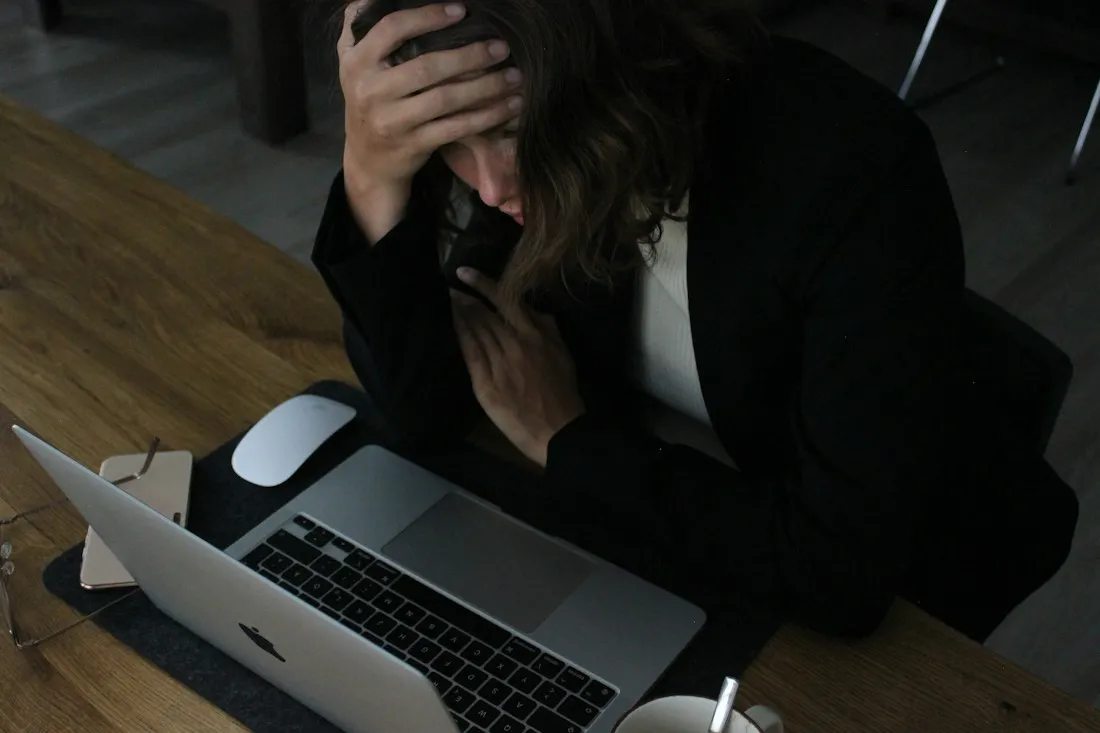
Clear, evidence-informed guidance on stress and burnout, from spotting early warning signs and managing daily pressure to setting boundaries and rebuilding your energy.

Poor sleep and a struggling mind often feed each other. These calm, practical guides explain why and show you small, realistic steps toward easier nights and steadier days.
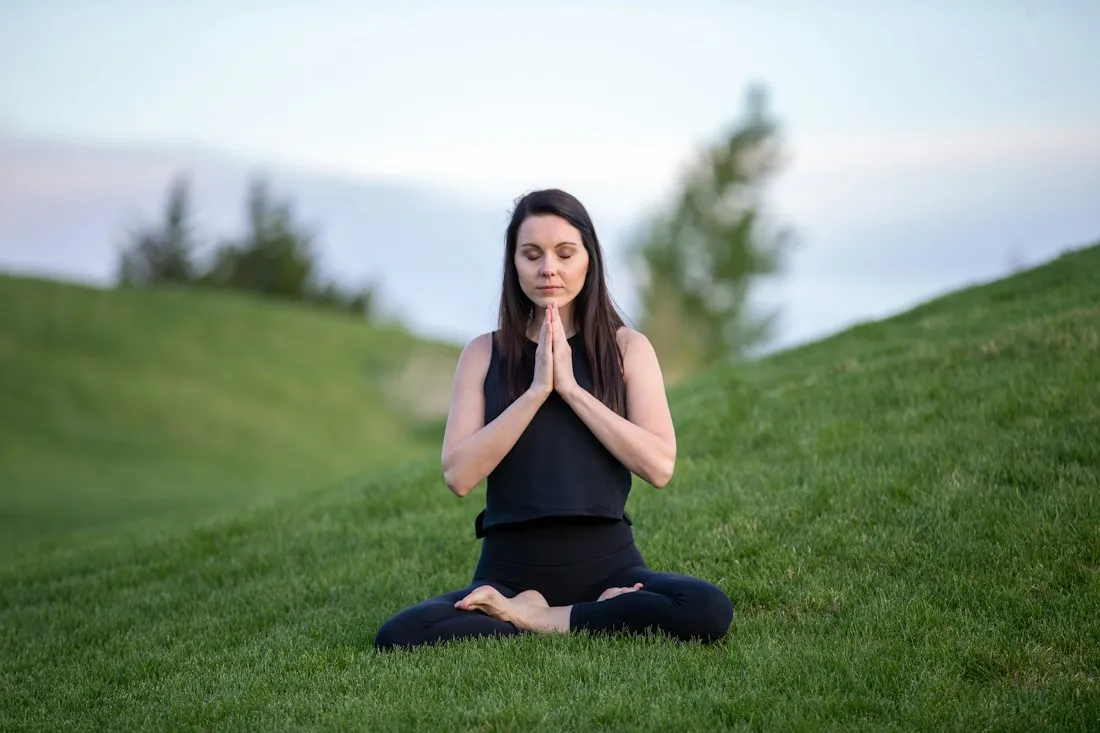
Practical mindfulness and meditation guides for real life. Learn to steady a busy mind, reconnect with your body and find meaning, at your own pace and alongside any care you receive.

Small, steady habits can make hard days lighter. Explore practical self-care and journaling guides you can start today, with no special tools, big budget or perfect routine required.

A calm, step-by-step guide to therapy and support: how talk therapy works, how to find the right help, how to support someone you love, and where to find free help today.
All of our articles in one place, grouped into six hubs. Pick a hub for the full overview, or jump straight to the guide you need.
Slow breathing with a longer out-breath is one of the quickest ways to tell your nervous system that you are safe. Breathe in gently through your nose for four seconds, then out through your mouth for six seconds. Six rounds take about one minute.
The NHS suggests simple breathing exercises for stress like this one, and you can use it anywhere: at your desk, before a hard conversation or in bed at night. For more techniques, see our anxiety relief hub.
If you feel lightheaded at any point, stop and breathe normally.
Mental health is more than the absence of illness. The World Health Organization describes it as a state of wellbeing that helps you cope with the normal stresses of life, realize your abilities, learn and work well, and contribute to your community. Like physical health, it moves along a spectrum and changes from season to season. This guide from Spiritualhubz.com brings the essentials together in one place, with links to our in-depth hubs whenever you want to go further.
Difficult emotions are signals, not flaws. Anxiety often points to something that feels uncertain or threatening. Low mood can follow loss, exhaustion or long periods of stress. Irritability is frequently a sign that your needs, such as rest, space or support, are not being met. Simply naming a feeling ("I notice I am anxious about tomorrow") creates a little distance from it and makes it easier to respond with care rather than react on autopilot.
If worry or panic show up often, our anxiety relief hub explains what is happening in your body and offers grounding tools that work in the moment.
Your mood is built on physical foundations. Sleep and mental health affect each other in both directions: poor sleep makes emotions harder to manage, and a stressed mind makes sleep harder to reach. Regular movement, daylight, steady meals and slow breathing all help to settle the nervous system.
You do not need a perfect routine. Small, repeatable habits, like a consistent wake-up time or a ten-minute walk after lunch, tend to last longer than dramatic changes. Our sleep and mental health hub covers wind-down routines and what to do about racing thoughts at night.
Short bursts of stress are a normal part of life and can even help you focus. Problems start when pressure is constant and recovery time disappears. The WHO defines burnout as the result of chronic workplace stress that has not been successfully managed, marked by exhaustion, growing mental distance from work and reduced effectiveness.
Healthy boundaries, planned rest and honest conversations about workload are protective. Our stress and burnout hub walks you through the early warning signs and a realistic recovery plan.
Mindfulness, meditation, prayer, time in nature and quiet reflection are some of the ways people reconnect with a sense of calm and meaning. Research suggests that mindfulness-based practices may help reduce stress and symptoms of anxiety and depression for some people, although they are not a replacement for treatment.
Start with a few minutes a day. The mindfulness and meditation hub includes beginner-friendly practices, and our self-care and journaling hub shows how writing, gratitude and small daily rituals can support your wellbeing.
Self-help works best alongside professional care, not instead of it. Consider speaking to a doctor, counselor or therapist if:
Therapy is a normal and effective way to feel better, and there are more options than many people realize. Our therapy and support hub explains the main types of therapy, how to find a therapist and where to get free help.
Start with the topic that feels most pressing today. Each hub gives you a clear overview, then links to focused guides you can read in around ten minutes. Try one practical step at a time, notice what helps and come back when you are ready for the next one.
Everything on Spiritualhubz.com is free to read, and every article lists the sources behind it. You can learn how we research and review our guides in our editorial policy, or read more about Spiritualhubz.com and why we started it.

Spirituality does not have to mean religion. For many people it simply means feeling connected to something bigger than their worries: nature, community, personal values or a quiet sense of inner stillness.
Research summarized by the National Center for Complementary and Integrative Health suggests that meditation and mindfulness may help with stress, anxiety and sleep. At Spiritualhubz.com we treat spiritual wellbeing as one part of mental health, working alongside professional care, never replacing it.
Start with mindfulnessUnderstand anxious thoughts, low moods and the stories your mind tells you.
Sleep, breath and movement are the foundations your mood is built on.
Supportive relationships and professional care help you heal faster.
Mindfulness, gratitude and values give you steady ground on hard days.
Mental health challenges are common, and they are nothing to be ashamed of. These figures from leading health organizations show just how many people are affected.
people around the world were living with a mental disorder in 2023, with anxiety and depression the most common.
adults in the United States live with a mental illness, according to national survey data.
working days are lost every year to depression and anxiety, costing around US$1 trillion in productivity.
If any of this feels familiar, you are not alone, and support really does help. Begin with one small step, like our stress and burnout hub, or learn about therapy and support options that fit your life.
New here? These answers explain what Spiritualhubz.com is, how to use it safely and where to turn when you need more support.
Ask us a questionSpiritualhubz.com is a free online mental health resource. We publish practical guides on anxiety, stress, sleep, mindfulness, self-care and finding professional support, written in clear language for everyday readers.
No. Our content is for education and self-help only, and it cannot diagnose or treat any condition. If you are struggling, please speak to a doctor, therapist or another licensed professional. You can read more in our disclaimer.
Yes. Every guide and exercise on Spiritualhubz.com is free to read. There is no sign-up, no paywall and no personal data needed.
Each guide is based on information from trusted health organizations and published research, which we cite at the end of every article. We review guides regularly and explain our process in our editorial policy.
For many people, spirituality simply means feeling connected to something larger than daily worries, such as nature, community, values or quiet reflection. Practices like mindfulness, gratitude and time in nature can support wellbeing alongside, not instead of, professional care.
If you or someone else is in immediate danger, call your local emergency number now. In the United States you can call or text 988 to reach the Suicide & Crisis Lifeline. Outside the US, Find A Helpline lists free, confidential services in many countries.
Yes, we would love to hear from you. Send your idea through our contact page and we will consider it for a future Spiritualhubz.com guide.
You do not have to face this alone. If you are in immediate danger, call your local emergency number. For free, confidential support at any hour, reach out to a crisis line.