Mindfulness Exercises: 10 Daily Practices – A Spiritualhubz.com Guide
Try 10 simple mindfulness exercises you can do anywhere, from a mindful first sip to a three-minute breathing space, with clear steps and timings.

On this page
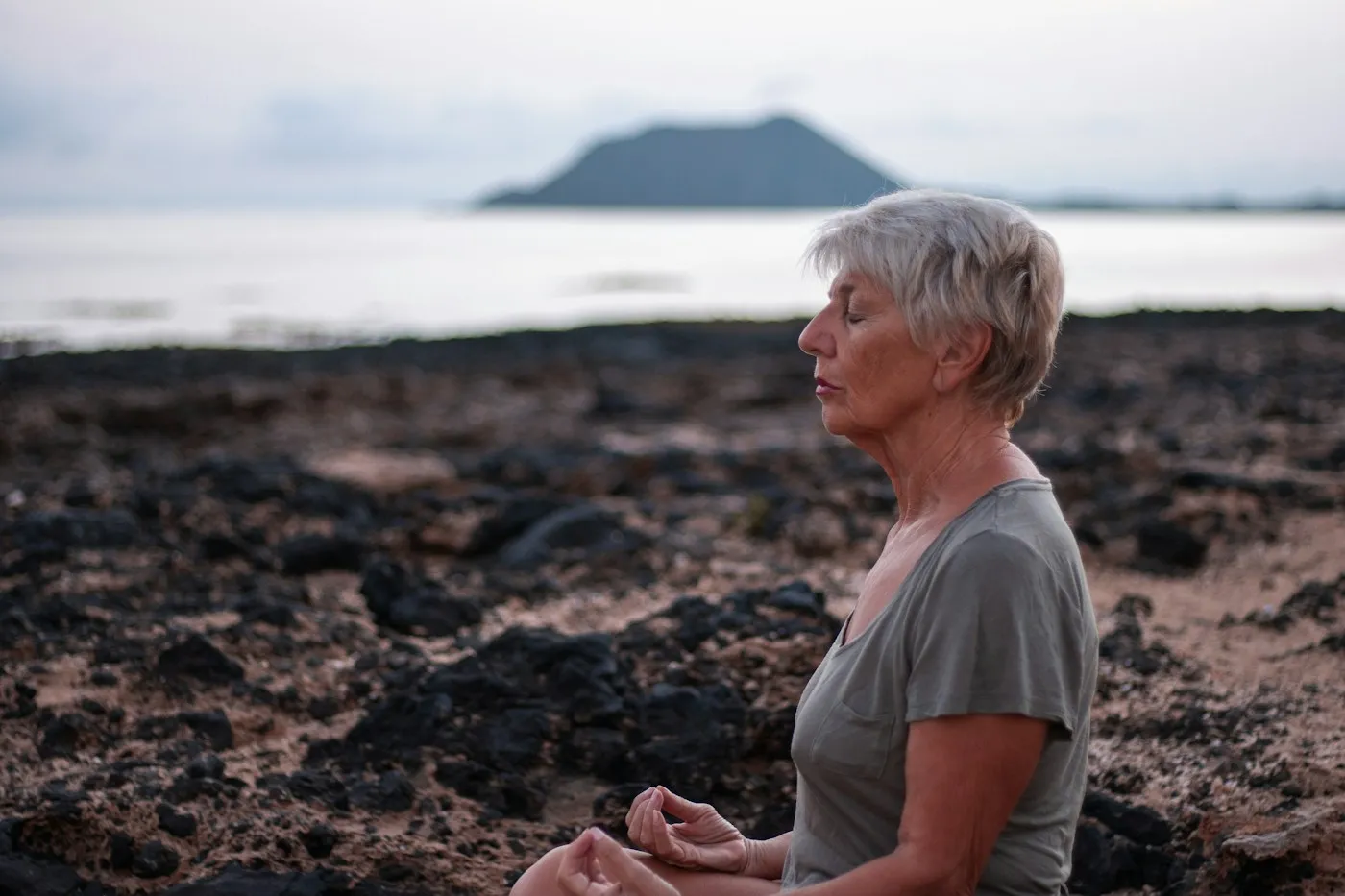
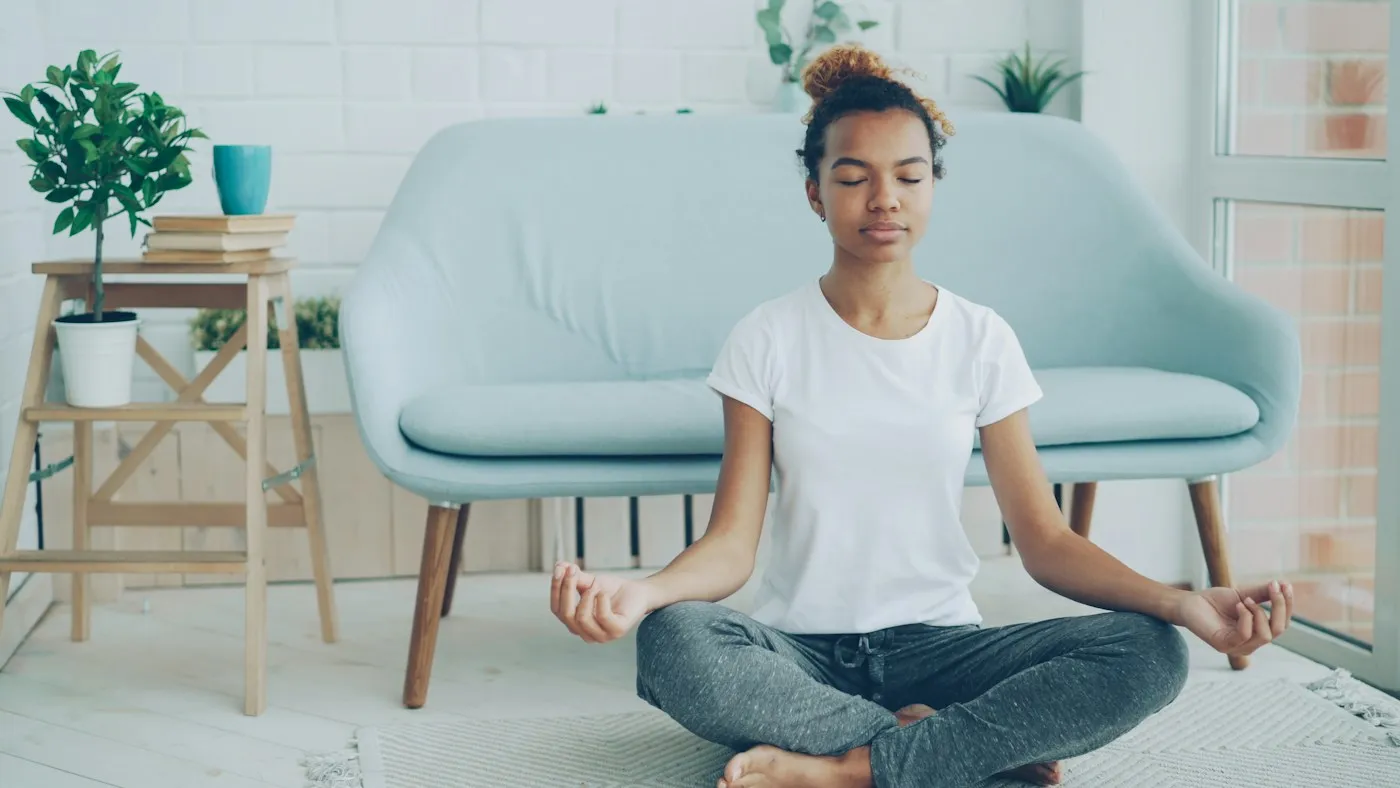
Mindfulness exercises are short, practical ways to bring your attention back to the present moment. Most take between ten seconds and ten minutes, and many fit into things you already do, like drinking coffee, walking to the bus or washing up after dinner. You do not have to sit on a cushion or set aside a quiet hour.
In this helpful guide, the Spiritualhubz.com team shares 10 simple practices, each with clear steps, a realistic time estimate and ideas for when to use it. They are designed for real, busy lives. If you would like a wider overview first, our complete mindfulness and meditation guide explains how these practices fit together.
We think of these exercises as small reps for your attention. None of them requires a particular belief, and none of them needs to be done perfectly.
What makes an exercise “mindful”?
Mindfulness means paying attention, on purpose, to what is happening right now, with curiosity rather than criticism. The NHS explains mindfulness as noticing your thoughts, feelings, body sensations and surroundings as they happen, and learning to see thoughts as mental events that do not have to control you.
There are two broad ways to practice:
- Formal practice: time set aside to meditate, such as sitting with the breath. Our guide on how to meditate for beginners covers this step by step.
- Informal practice: bringing the same attention to everyday activities. Most of the exercises below fall into this group.
Both train the same skill. Informal practice is often the easier door in, because it borrows time you are already spending.
10 mindfulness exercises you can do anywhere
1. The mindful first sip
Before you drink your morning tea or coffee, pause. Feel the warmth of the cup in your hands. Notice the smell and the steam. Take the first sip slowly and pay attention to the temperature, taste and feeling of swallowing. That is it. Time: 1 to 2 minutes.
2. The three-minute breathing space
This short practice is used in mindfulness-based cognitive therapy (MBCT). It works like an hourglass, wide then narrow then wide again.
- Minute one, notice: ask yourself, “What is here right now?” Notice thoughts, feelings and body sensations without trying to change them.
- Minute two, gather: narrow your attention to the breath, feeling each in-breath and out-breath in the belly.
- Minute three, expand: widen your awareness to your whole body, including your posture and facial expression, then carry that wider awareness into your next task.
Time: about 3 minutes.
3. The STOP pause
Use this when you feel rushed or reactive:
- Stop what you are doing for a moment.
- Take one slow breath.
- Observe what is happening in your body, emotions and thoughts.
- Proceed with whatever you choose to do next.
Time: 30 to 60 seconds.
4. Mindful walking
Walk a little slower than usual, indoors or outside. Feel your heel touch the ground, the roll through the foot and the lift of the toes. When your mind drifts, return to the sensation of your feet. You can also widen attention to sounds, air and light. Time: 5 to 10 minutes.
5. Name it to notice it
When a strong thought or emotion shows up, give it a short, neutral label. The NHS suggests phrases like “Here’s the thought that I might fail” or “This is anxiety.” Naming the experience helps you notice it instead of being swept along by it. Time: a few seconds.
6. Counted calm breathing
The NHS breathing exercise for stress is a simple option. Breathe gently in through your nose, counting steadily from one to five, then breathe out through your mouth for the same count, without forcing it. Repeat for at least five minutes. It is fine if you cannot reach five at first. Time: 5 minutes.
7. Mindful chores
Choose one routine task, such as washing dishes, folding laundry or showering. Instead of rushing, notice the warmth of the water, the texture of fabric or the scent of soap. When you catch yourself planning or replaying, return to your hands. Time: however long the chore takes.
8. Mindful listening
In your next conversation, give the other person your full attention. Notice their words, tone and pauses. When you feel the urge to plan your reply, return to listening. You can practice the same way with a piece of music, following one instrument from start to finish. Time: 3 to 10 minutes.
9. RAIN for difficult feelings
RAIN is a widely used four-step practice for moments of strong emotion:
- Recognize what is happening: “I’m feeling hurt.”
- Allow it to be there for a moment without pushing it away.
- Investigate with kindness: where do you feel it in your body?
- Nurture yourself with a caring phrase or gesture, like a hand on your chest.
Time: 2 to 5 minutes.
10. Doorway pauses
Pick a cue you meet many times a day, such as walking through a doorway or picking up your phone. Each time it happens, take one conscious breath before continuing. These tiny moments add up. Time: one breath.
Quick guide: choosing mindfulness exercises for your day
Not sure where to start? Match the exercise to the moment.
| Moment | Try this | Time |
|---|---|---|
| Waking up | Mindful first sip | 1 to 2 min |
| Feeling rushed or reactive | STOP pause | Under 1 min |
| Afternoon slump | Three-minute breathing space | 3 min |
| Commute or lunch break | Mindful walking | 5 to 10 min |
| Strong emotions | RAIN | 2 to 5 min |
| Evening wind-down | Mindful chores or counted breathing | 5 min or more |
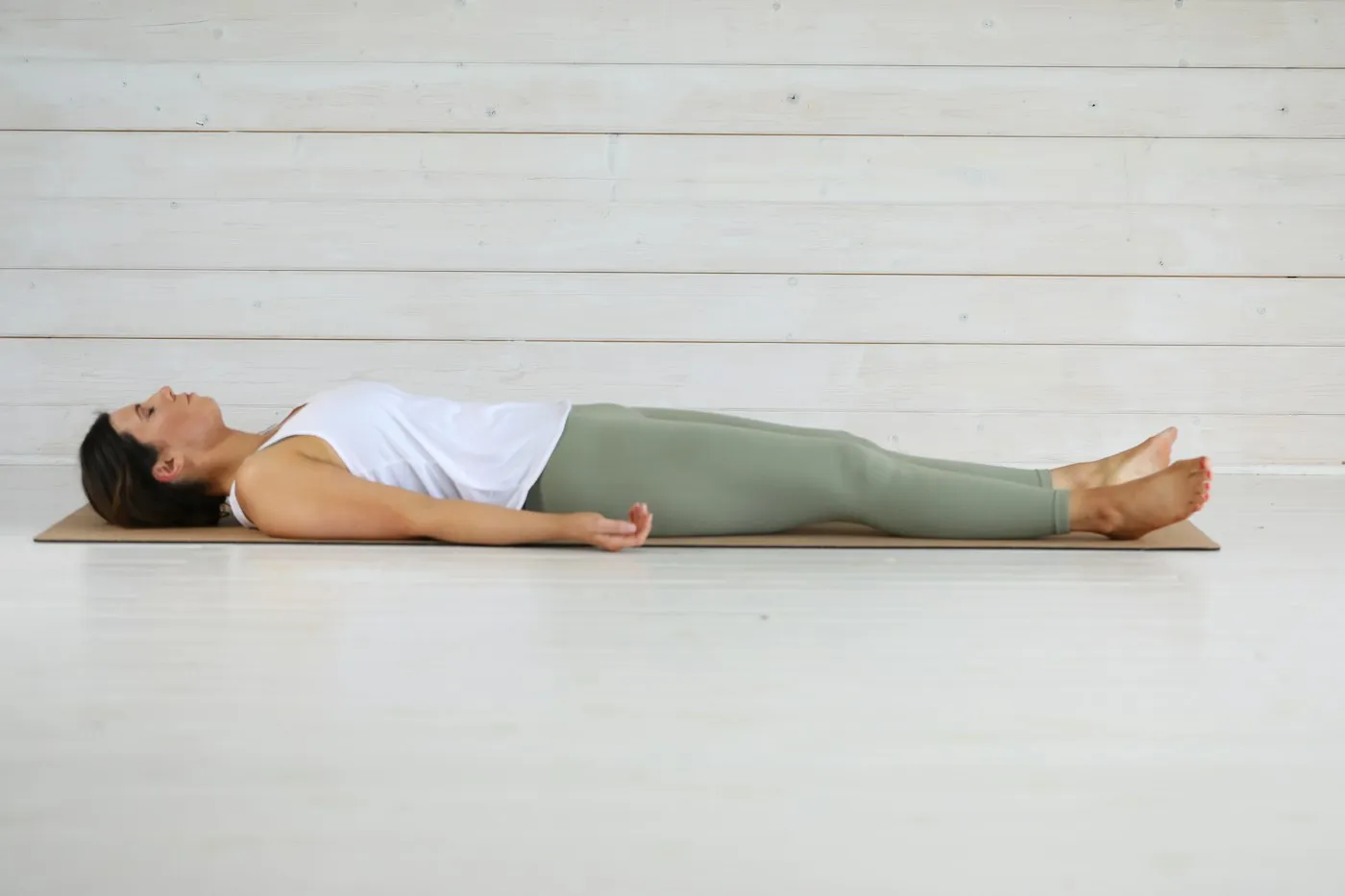
If you find that body-based practices suit you best, a longer body scan meditation is a natural next step.
How to build these practices into a busy routine
Knowing what to do is the easy part. Remembering to do it is harder. These habits make it more likely to stick:
- Start with two. Choose one morning and one afternoon exercise and ignore the rest for now.
- Anchor to an existing habit. Pair your practice with something you already do, like making coffee or sitting down at your desk.
- Use gentle reminders. A sticky note, a phone reminder or a small object on your desk can act as a cue.
- Keep a simple tally. A tick on a calendar is enough. Missing a day is normal, so just start again.
- Review after two weeks. Keep what helps, swap what does not.
Some people also like to connect these moments with their personal values, faith or sense of meaning. Our guide to spirituality and mental health explores that side for people of any belief or none.
If mindfulness feels hard or uncomfortable
Mindfulness is not always relaxing. Sometimes slowing down lets you notice feelings you have been too busy to feel. That can be useful, but it can also be uncomfortable. The NHS notes that mindfulness is not right for everyone and that some people find it makes them feel worse.
If that happens, try these adjustments:
- Keep your eyes open and focus on something outside you, like sounds or objects in the room.
- Choose moving practices, such as walking, over still ones.
- Shorten the exercise to a few breaths.
- Stop and do something grounding and ordinary, like making a drink or stepping outside.
When to seek professional help
Mindfulness exercises are self-care tools, not treatment for a mental health condition. The National Institute of Mental Health advises seeking professional help if you have severe or distressing symptoms lasting two weeks or more, such as trouble sleeping, changes in appetite, difficulty concentrating or losing interest in things you usually enjoy.
Please also talk to a doctor or therapist if mindfulness regularly brings up panic, traumatic memories or a sense of detachment from yourself. Decisions about medication belong with your doctor. If you are in crisis or thinking about harming yourself, call or text 988 in the US, contact your local emergency number, or visit findahelpline.com.
A gentle next step
Pick one exercise from this list and try it today, ideally the mindful first sip or a single STOP pause. Then notice, without judgment, whether anything felt even slightly different. Small moments of attention, repeated often, are how mindfulness grows.
For more calm, practical guides on mindfulness, sleep, stress and self-care, visit Spiritualhubz.com whenever you need a fresh idea.
Frequently asked questions
What is the simplest mindfulness exercise?
One of the simplest is the mindful breath: pause, feel one full breath moving in and out, and notice where you feel it most. It takes about ten seconds and can be done anywhere, even in a meeting. Repeating it a few times a day builds the habit of noticing the present moment without needing any extra time.
How often should I do mindfulness exercises?
Short and frequent tends to work best. Two or three brief practices spread across the day, such as a mindful first sip in the morning and a breathing space in the afternoon, are easier to keep up than one long session. Consistency over weeks matters more than how long each individual exercise lasts.
Can mindfulness exercises help with stress at work?
They may help. Quick practices like the STOP pause or a three-minute breathing space can interrupt a stress spiral and help you respond more calmly. The NHS notes that mindfulness can help people notice signs of stress earlier. They work best alongside practical changes, like reasonable workloads and proper breaks, rather than as a replacement for them.
Are mindfulness exercises the same as meditation?
Not exactly. Meditation usually means setting aside time to practice, often sitting still. Mindfulness exercises can include meditation, but many are informal and done in the middle of daily life, such as eating, walking or listening. Both train the same skill of paying attention to the present moment with curiosity instead of judgment.
Sources
This article is for general information and is not a substitute for professional medical advice, diagnosis or treatment. Read our disclaimer and how we create content in our editorial policy.