Mindfulness 7 min
Benefits of Meditation: What the Research Really Shows
The benefits of meditation for stress, anxiety, depression, sleep and pain, explained honestly: what research supports, what is unclear and what to expect.
Practical mindfulness and meditation guides for real life. Learn to steady a busy mind, reconnect with your body and find meaning, at your own pace and alongside any care you receive.
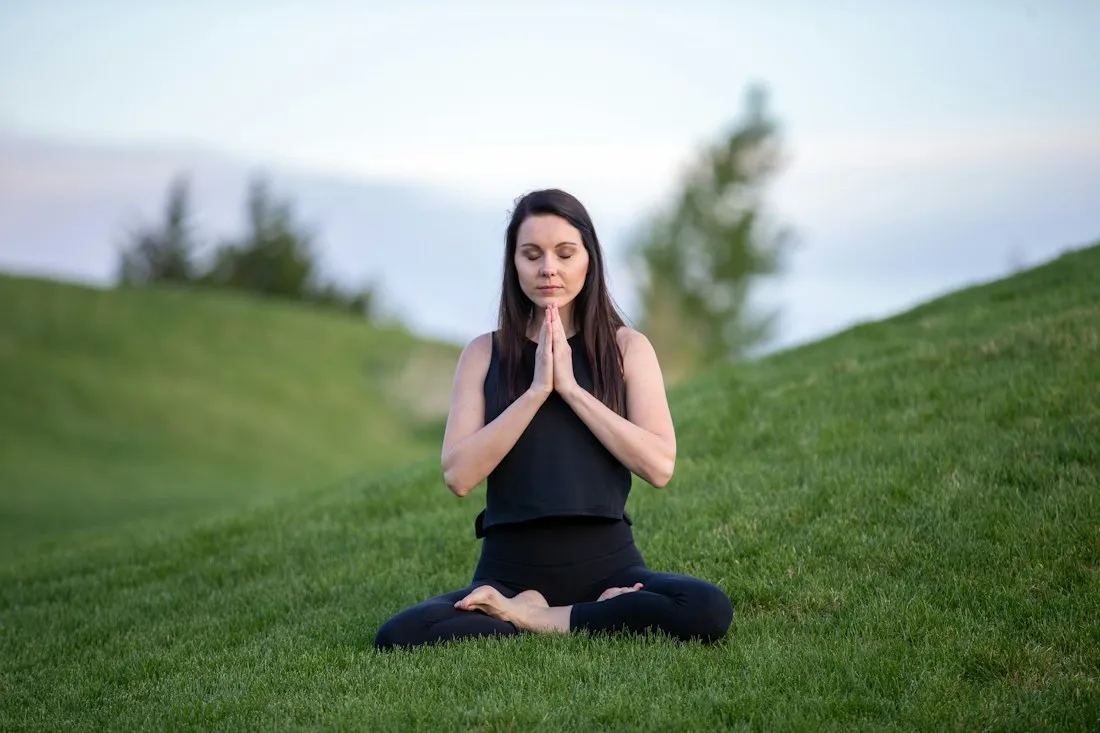
Every article in this hub, written in plain language with practical steps you can use today.
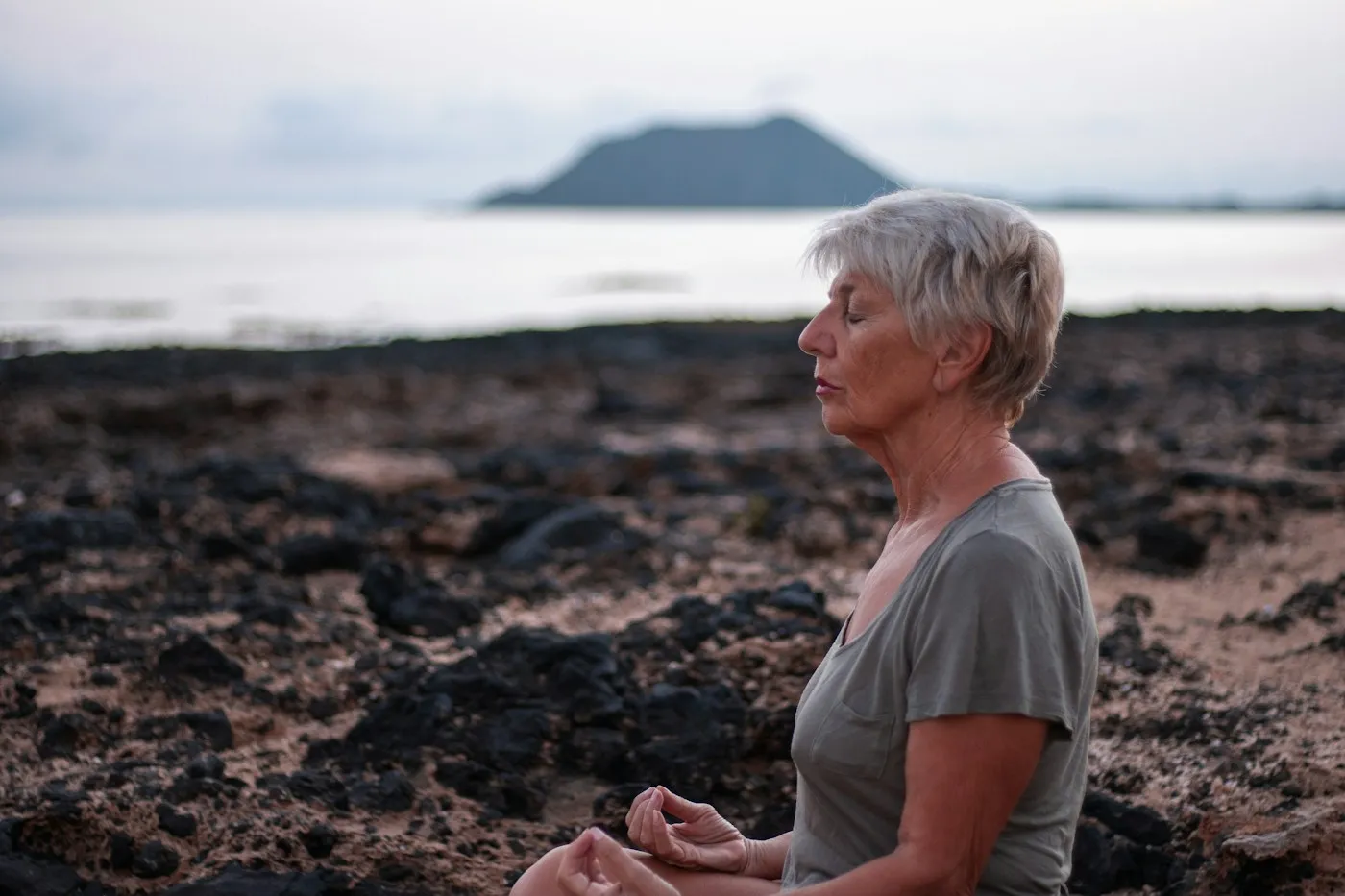
The benefits of meditation for stress, anxiety, depression, sleep and pain, explained honestly: what research supports, what is unclear and what to expect.
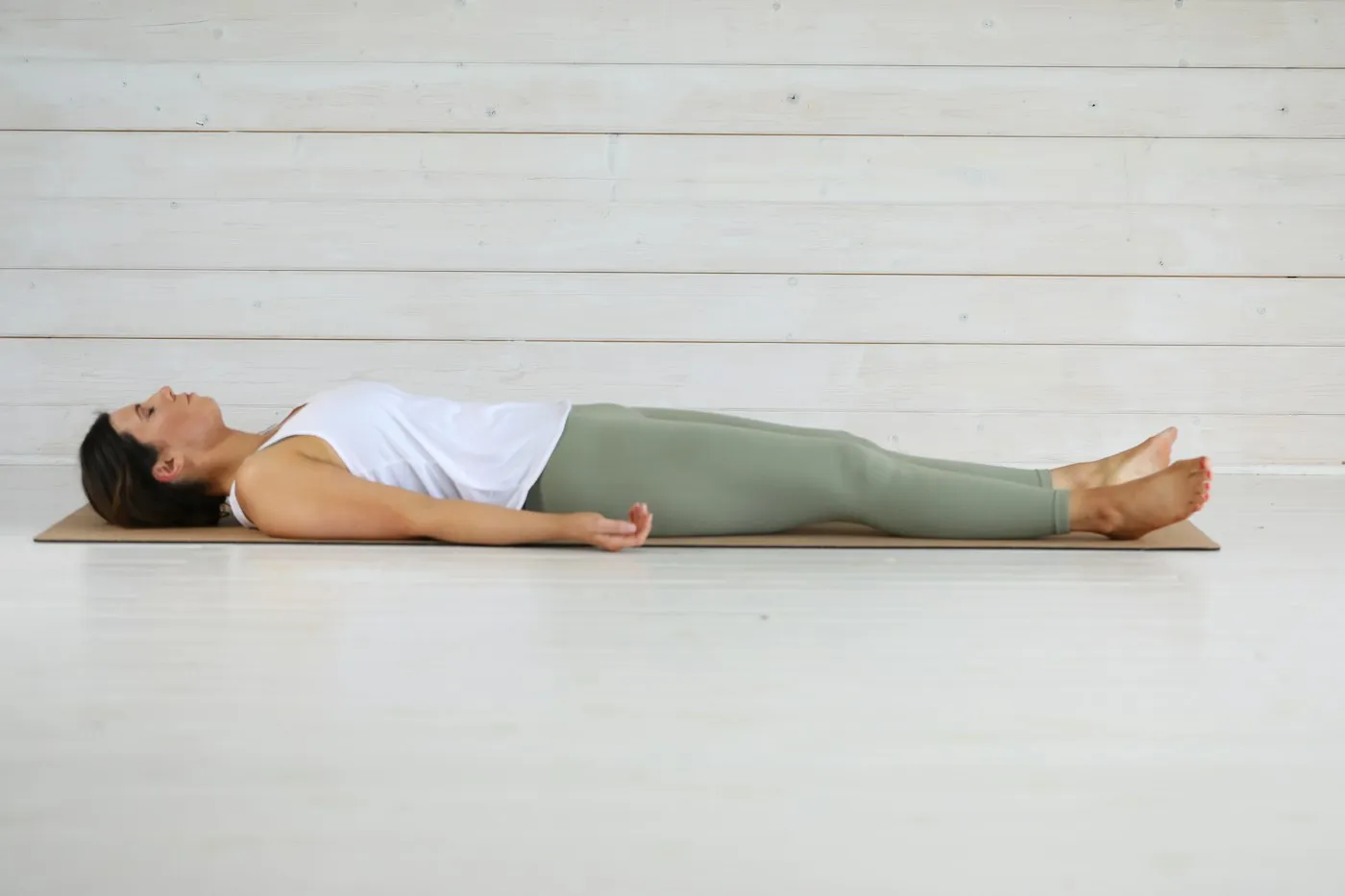
Learn body scan meditation with a full step-by-step script, a 3-minute version and a bedtime option, plus gentle tips for staying comfortable.
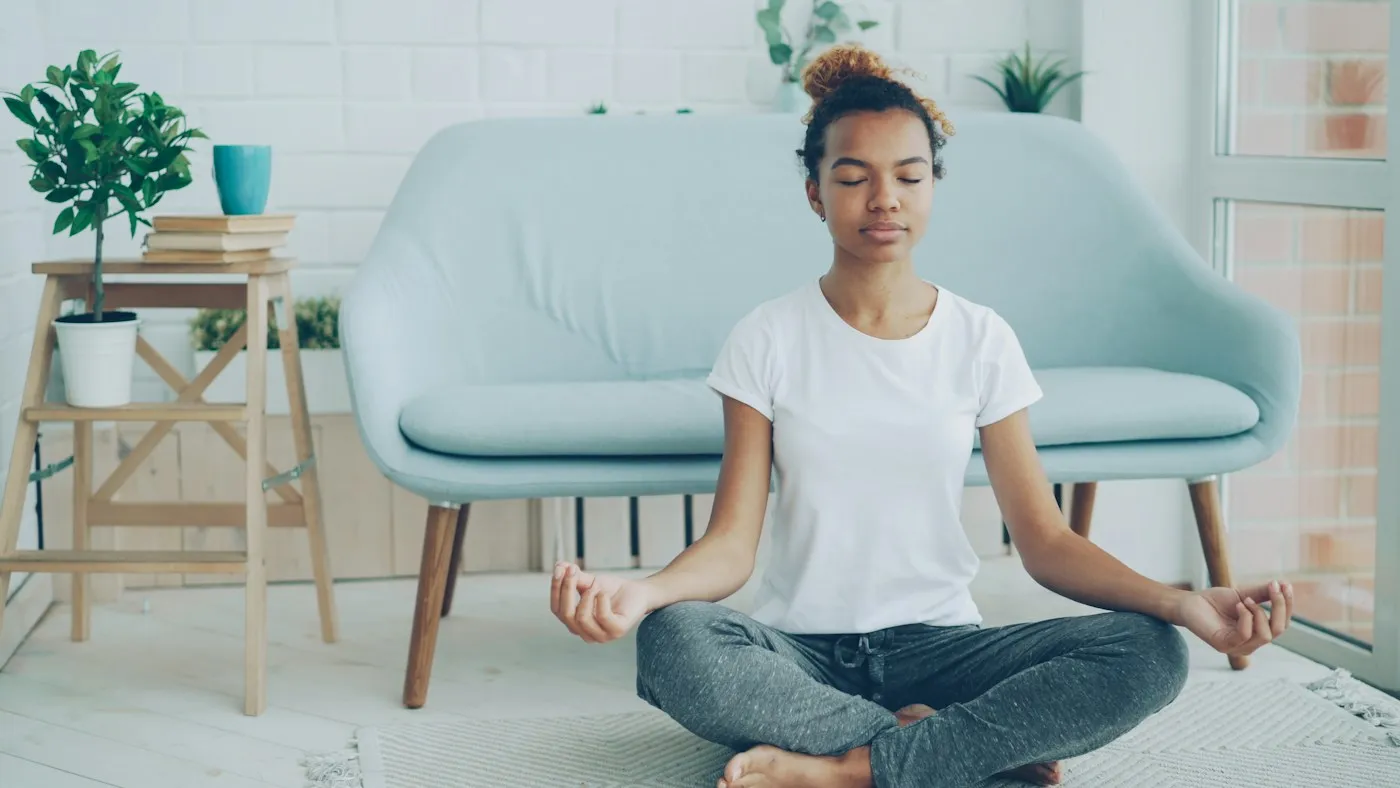
Learn how to meditate for beginners with 8 simple steps, a four-week starter plan and easy fixes for a wandering mind, restlessness and sleepiness.
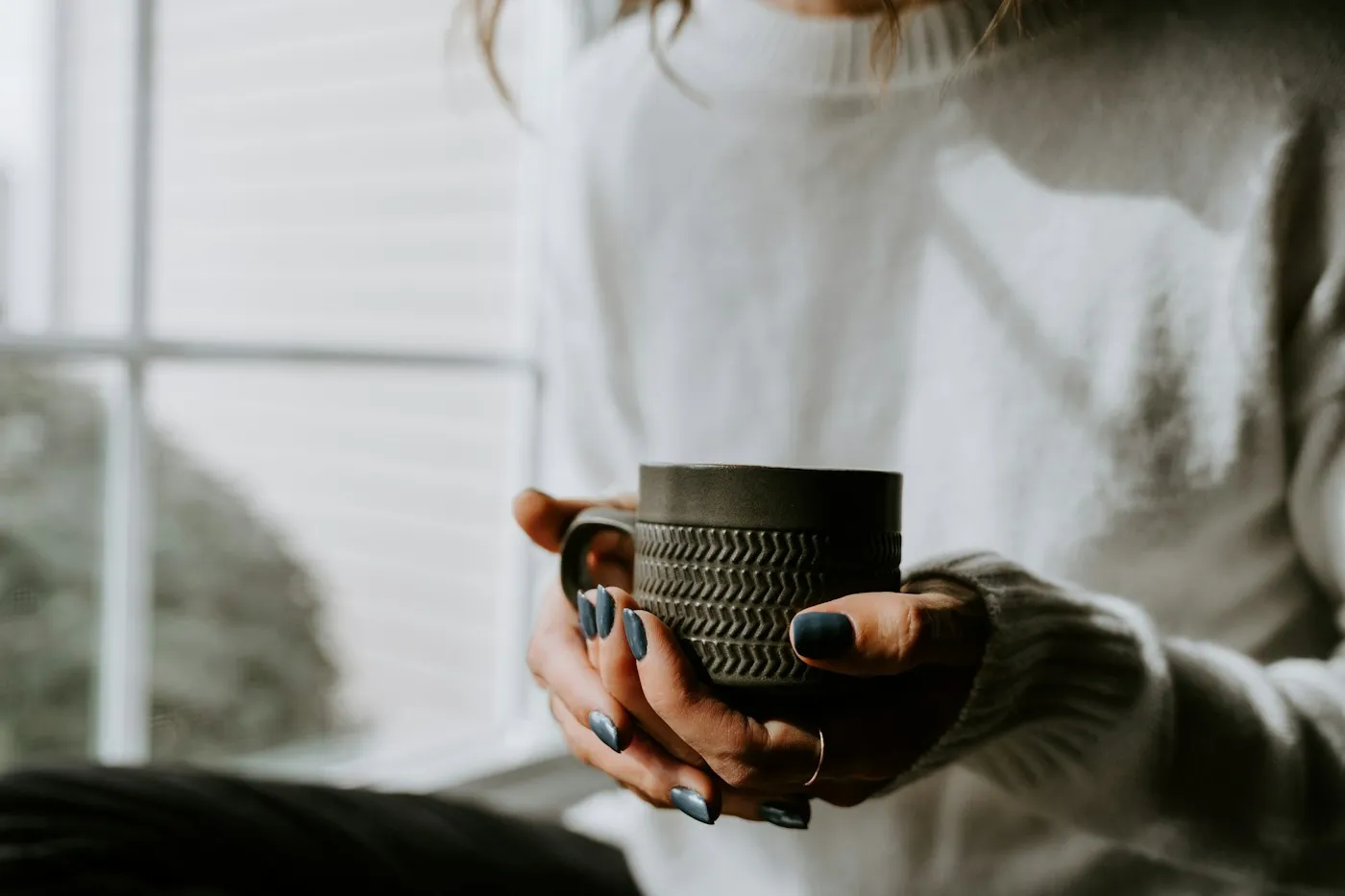
Try 10 simple mindfulness exercises you can do anywhere, from a mindful first sip to a three-minute breathing space, with clear steps and timings.

Spirituality and mental health for people of any faith or none: how meaning, practice and community can help, when they hurt, and how to get support.
Mindfulness and meditation are two of the most practical tools you can learn for looking after your mind. They cost nothing, need no special equipment and can be practiced in a chair, on a bus or lying in bed. They will not make every problem disappear, but many people find they help them pause, notice what is going on inside and respond with a little more calm and choice.
This hub brings together everything Spiritualhubz.com has written on mindfulness, meditation and the spiritual side of wellbeing. Our approach is simple: clear steps, honest evidence and respect for every background. You do not need to hold any particular belief, sit in a special posture or empty your mind of thoughts. You only need a few minutes and a willingness to try.
Mindfulness means paying attention to what is happening right now, both inside you and around you, without rushing to judge it. The NHS guide to mindfulness describes it as noticing your thoughts, feelings, body sensations and surroundings moment by moment, and learning to see thoughts as mental events that come and go rather than facts that must control you.
Meditation is a broader family of practices that train attention. Some styles focus on one anchor, such as the breath, a sound, an image or a repeated word or phrase (a mantra). Others, like mindfulness meditation, involve open, nonjudgmental awareness of whatever arises. Meditation has roots in many traditions going back thousands of years, yet today it is also taught in hospitals, schools and workplaces in a fully secular way.
A useful way to hold the difference:
Much of everyday distress comes from living “in our heads”: replaying yesterday, rehearsing tomorrow and reacting on autopilot. Mindfulness gives you a small gap between a trigger and your response. In that gap you can notice “this is worry” or “my shoulders are tight” and choose what to do next.
Meditation has also become one of the most widely used wellbeing practices. According to the National Center for Complementary and Integrative Health (NCCIH), the share of US adults who meditated more than doubled between 2002 and 2022, rising from 7.5 to 17.3 percent. People often turn to it for stress, sleep, low mood and a general sense of balance.
This section may be especially useful if you notice:
Research on meditation is growing but uneven, so we try to describe it honestly. The NCCIH review of meditation research reports that mindfulness practices may help people manage anxiety, depression, stress and sleep problems, and that one large 2018 analysis found mindfulness-based approaches worked about as well as established treatments for anxiety and depression. The same summary cautions that many studies are small or not rigorous, so results may have been read too optimistically.
In the UK, the NHS notes that the National Institute for Health and Care Excellence (NICE) recommends mindfulness-based therapies as one way to treat less severe depression. These are structured programs, usually led by trained practitioners over several weeks, which is quite different from opening an app now and then.
A few principles run through the research and through our guides:
Each guide below covers a different part of the practice, so you can start wherever feels most useful.
Getting started. If you have never meditated, begin with our step-by-step guide on how to meditate for beginners. It covers how to sit, what to do with your breath and a simple four-week plan. It also explains why a busy mind does not mean you are failing.
Everyday practice. Not everyone wants to sit still for 20 minutes. Our collection of mindfulness exercises you can do anywhere includes mindful walking, a three-minute breathing space and ways to turn routine chores into moments of calm.
Reconnecting with the body. The body scan meditation guide walks you through a full script, a three-minute version and a gentle option for bedtime. It also shares trauma-sensitive tips for anyone who finds focusing on the body uncomfortable.
What the science says. Wondering whether it is worth the effort? Our honest look at the benefits of meditation explains what research supports, where the evidence is still weak and what realistic change looks like.
Meaning and connection. Our guide to spirituality and mental health explores how faith, values and a sense of purpose can support wellbeing for people of any belief or none. It also covers when spiritual struggles need extra support.
Here at Spiritualhubz.com, we see spirituality in its widest sense: whatever gives your life meaning, hope and connection. For some people that is a religious faith. For others it is nature, creativity, service to others or a quiet sense of something larger than themselves. The Royal College of Psychiatrists notes that spirituality can offer real benefits for mental health, while also recognizing that it can sometimes be a source of stress.
That is why the Spiritualhubz.com editorial team always presents mindfulness, meditation and spiritual practice as partners to professional care, never replacements for it. A calm breathing practice can sit beside therapy. A meaningful prayer or reflection routine can sit beside medication your doctor prescribes. You do not have to choose one or the other.
Mindfulness is a self-care skill, not a treatment for every problem. Please talk to a doctor or mental health professional if:
If anxiety is your main concern, our anxiety relief guides offer more targeted tools, and our therapy and support hub explains how to find a professional. If you are in crisis or thinking about harming yourself, call or text 988 in the US, contact your local emergency number, or find a helpline near you at findahelpline.com.
You do not need a perfect routine. Try this right now: sit comfortably, let your gaze soften, and take five slow breaths, noticing the air moving in and out. When a thought pulls you away, name it kindly (“planning” or “worrying”) and return to the next breath. That is meditation.
When you are ready for more, pick one guide above and try it for a week. Come back to Spiritualhubz.com whenever you need a fresh idea, a gentle reminder or a place to start again.
Mindfulness is a way of paying attention: noticing what is happening in and around you, moment by moment, without harsh judgment. Meditation is a set of practices, often done sitting for a set time, that train attention. Mindfulness meditation is one type. You can also bring mindfulness into ordinary moments, like washing dishes or walking, without formally meditating.
Start with what you will actually do, even five minutes. The NHS beginner guide suggests about 20 minutes as a useful target once you are comfortable, but a short daily practice beats an occasional long one. Pick a regular time, such as after brushing your teeth, and build up slowly as it starts to feel familiar.
No. Meditation can be a helpful part of looking after your mental health, and some mindfulness-based programs are used within professional care. It should not replace treatment or delay seeing a health professional. Decisions about medication always belong with your doctor. Many people use meditation alongside therapy, not instead of it.
No. Many meditation techniques began in spiritual traditions, but mindfulness is widely taught in a secular way, with no beliefs required. Some people find that meditation connects with their faith or sense of meaning, while others use it purely as a mental skill. Both approaches are welcome, and you can choose what fits your values.
This page is for general information and is not medical advice. Read our disclaimer and editorial policy.
Mental health is connected. These hubs cover the other areas that shape how you feel each day.
You do not have to face this alone. If you are in immediate danger, call your local emergency number. For free, confidential support at any hour, reach out to a crisis line.