How to Calm a Panic Attack: Step by Step – A Spiritualhubz.com Guide
Learn how to calm a panic attack with clear steps for the moment it starts, what to say to yourself, how to help someone else and how to lower future attacks.
On this page
- What a panic attack is (and what it is not)
- How to calm a panic attack: 7 steps for the moment it starts
- What to say to yourself during a panic attack
- When a panic attack needs urgent medical help
- After a panic attack and how to prevent the next one
- How to help someone calm a panic attack
- When to talk to a professional
- A gentle next step
A panic attack can arrive out of nowhere. Your heart pounds, your breath feels short, and a wave of fear tells you something terrible is happening. Knowing how to calm a panic attack starts with one important fact: as frightening as they feel, panic attacks are not dangerous, and they pass. The NHS notes that most panic attacks last between 5 and 20 minutes.
In this detailed guide, the Spiritualhubz.com team walks you through what to do when panic starts, what to tell yourself, and how to lower the chances of future attacks. It is part of our complete anxiety relief guide, which covers the wider picture of anxiety and how to manage it.
If you have never had a panic attack before, or you are not sure what is happening, read the section on urgent medical help first.
What a panic attack is (and what it is not)
A panic attack is a sudden rush of intense fear with strong physical symptoms, often peaking within minutes. Common symptoms include:
- a racing or pounding heart
- shortness of breath or a choking feeling
- chest pain or tightness
- trembling, sweating, chills or hot flushes
- dizziness or feeling faint
- tingling or numbness in the fingers or lips
- nausea or a churning stomach
- feeling detached from your body or surroundings
- a sense of losing control, or a fear of dying
The National Institute of Mental Health explains that some researchers see panic attacks as “false alarms,” where the body’s survival response fires too often or too strongly. A single panic attack is not a mental disorder. Panic disorder may be diagnosed when attacks keep coming unexpectedly and are followed by ongoing worry about having more.
This matters because the most distressing part of panic is often fear of the symptoms themselves. A thought like “My heart is racing, so something must be wrong” pushes panic higher. Knowing that your body is running an alarm response, not failing, helps break that cycle.
How to calm a panic attack: 7 steps for the moment it starts
- Stay where you are, if it is safe. The NHS suggests staying put if possible. If you are driving, pull over when it is safe to do so. Leaving in a rush can teach your brain that the place itself was dangerous.
- Name what is happening. Say to yourself: “This is a panic attack. It is uncomfortable, but it is not dangerous, and it will pass.”
- Slow your breathing, especially the out-breath. Breathe in gently through your nose, then breathe out slowly through slightly pursed lips, as if cooling a hot drink. Many people find it calming to make each out-breath a little longer than the in-breath. Avoid gulping air or taking big, fast breaths.
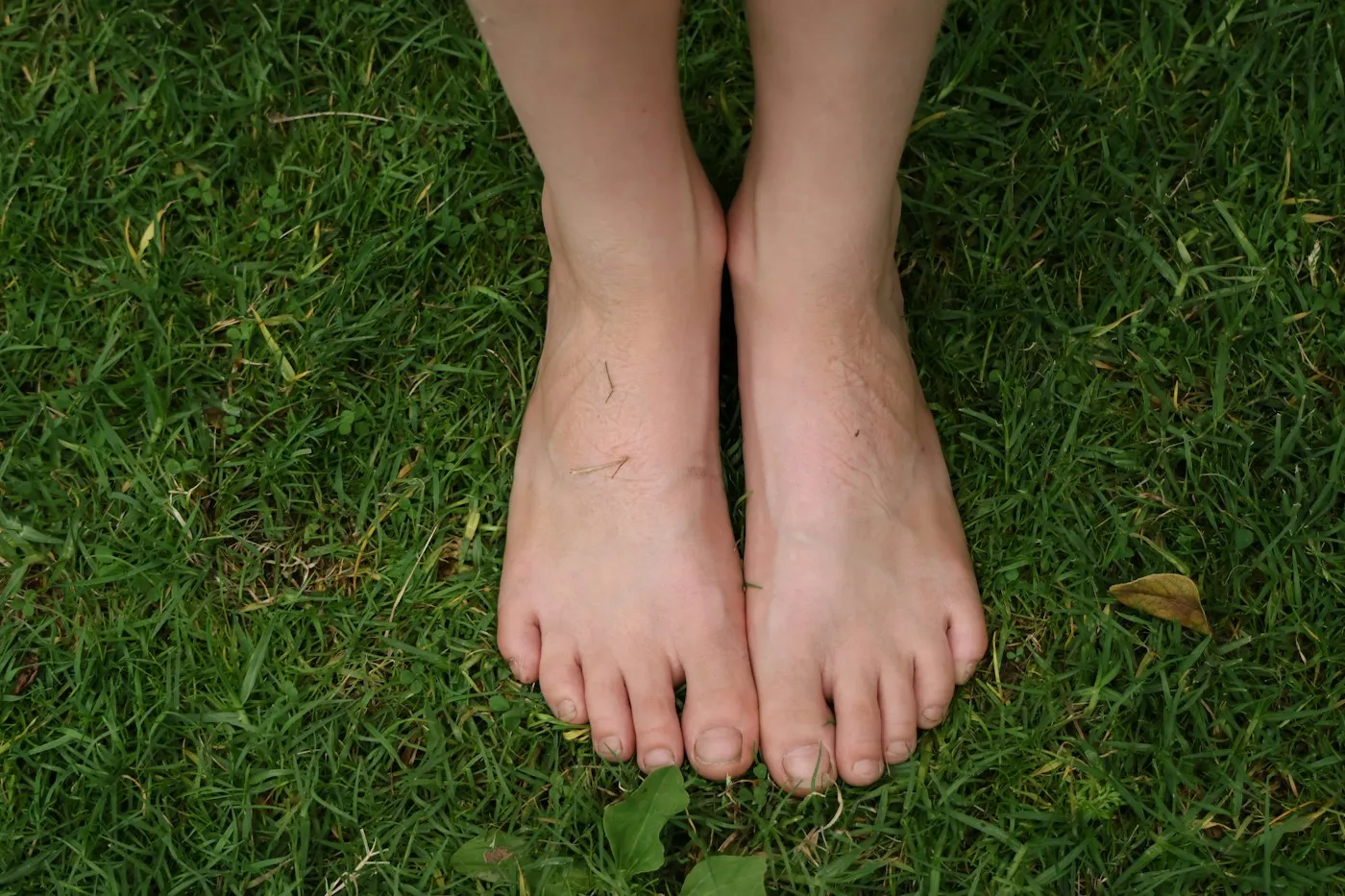
- Anchor your senses. Press your feet into the floor, hold something cool, or name five things you can see. Our guide to grounding techniques for anxiety has more options, including quiet ones you can use in public.
- Let the wave rise and fall. Fighting symptoms tends to make them stronger. Picture the panic as a wave that builds, peaks and fades. Rate it from 0 to 10 every minute or so and watch the number change.
- Soften your body. Drop your shoulders, unclench your jaw and hands, and let your stomach muscles relax.
- Give your mind a calm focus. The NHS suggests focusing on positive, peaceful and relaxing images. Picture a place where you feel safe in as much detail as you can, or give your mind a simple task like counting backward from 100 in threes.
Some reactions help panic pass, while others quietly keep it going:
| Tends to help | Tends to backfire |
|---|---|
| Slow, gentle breathing with a longer out-breath | Gulping air or breathing fast and deep |
| Staying where you are if it is safe | Rushing to escape the situation |
| Letting symptoms rise and fall | Fighting or trying to force symptoms away |
| Reminding yourself it will pass | Checking your pulse again and again |
| Returning to the situation later | Avoiding places where panic happened |
What to say to yourself during a panic attack
Coping statements give your mind something steady to hold onto. Choose one or two that feel believable and save them in your phone notes so they are ready when you need them.
- “This is my body’s alarm going off. There is no fire.”
- “I have felt this before, and it passed.”
- “I don’t have to fight this. I can let it rise and fall.”
- “My heart is fast because of adrenaline. That is uncomfortable, not dangerous.”
- “I can feel this and still breathe slowly.”
- “In a few minutes, this will start to ease.”
The aim is not to make panic vanish instantly. It is to ride it out with less fear, which is what makes future attacks less intense.
When a panic attack needs urgent medical help
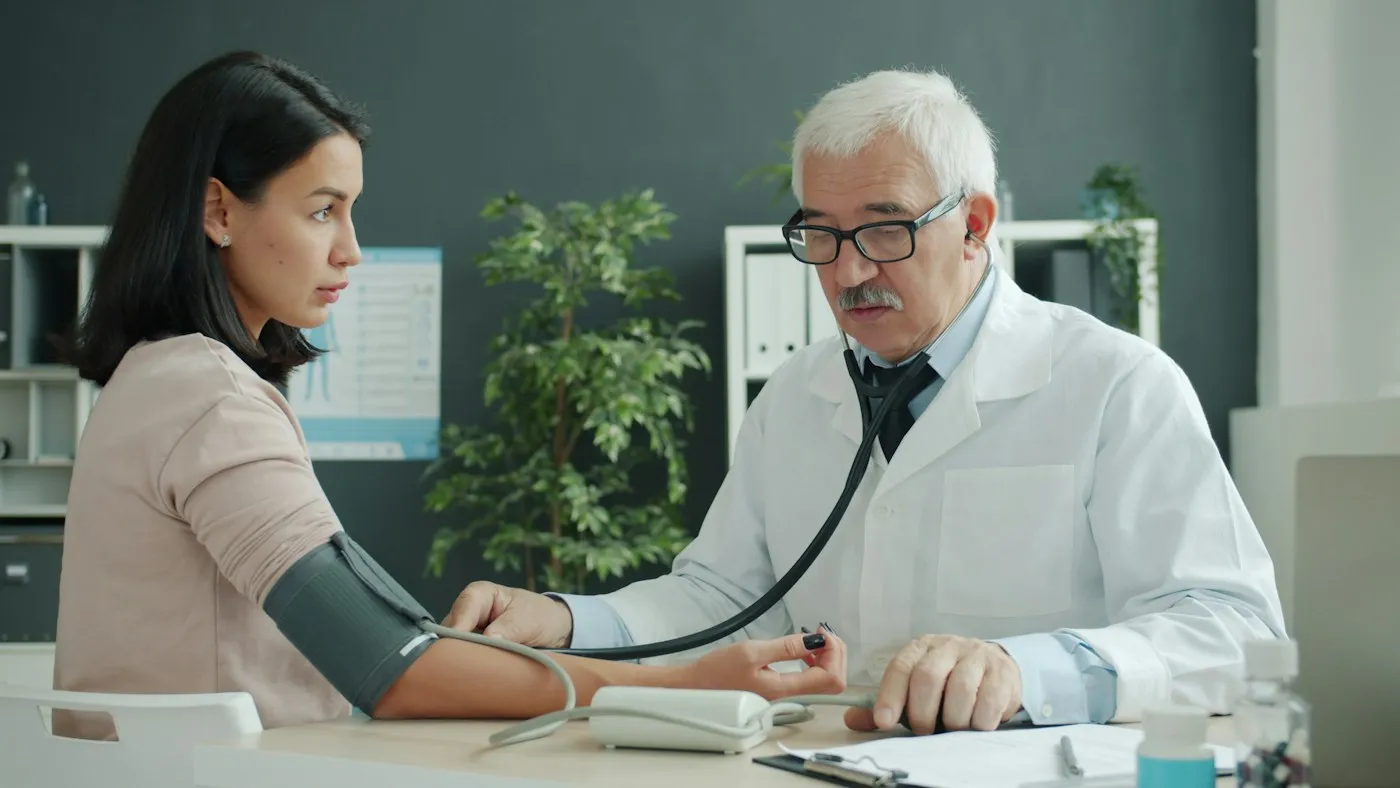
Many panic symptoms overlap with other conditions, including heart and lung problems. The NHS points out that most panic symptoms can also be symptoms of other conditions, so it is important to have them checked by a doctor, especially the first time.
Call 911 or your local emergency number right away if:
- this is your first episode and you are not sure what is happening
- you have chest pain, pressure or heaviness that does not ease or keeps getting worse
- pain spreads to your arms, back, neck, jaw or upper stomach
- you faint, feel confused, or cannot catch your breath at all
- symptoms feel different from your usual panic attacks
The National Heart, Lung, and Blood Institute notes that heart attack symptoms vary from person to person and can be mild or come and go. Having a history of panic attacks does not rule out a heart problem. If there is any doubt, get checked. For a wider look at how anxiety shows up in the body, see our guide to the physical symptoms of anxiety.
After a panic attack and how to prevent the next one
The first hour
- Be gentle with yourself. Feeling tired, shaky or tearful afterward is common.
- Refuel. Drink some water and have a light snack if you have not eaten recently.
- Return to what you were doing, if you can. Even a few minutes back in the situation shows your brain it was safe.
- Make a quick note. Write down the time, place, what you were doing, the first symptom you noticed and what helped. Patterns often appear after a few entries.
Lowering the chance of future attacks
- Practice your breathing daily while calm, so it becomes automatic.
- Stay active. The NHS recommends regular exercise to reduce stress and tension.
- Cut back on triggers. Caffeine, alcohol, smoking and sugary food and drinks can make attacks worse, according to the NHS.
- Face avoided places gradually. Avoidance keeps the fear alive. Small, repeated visits help your brain relearn that you are safe.
- Protect your sleep, since tiredness lowers your tolerance for stress.
How to help someone calm a panic attack
If someone near you is having a panic attack:
- Stay calm and stay with them. Your steady presence helps more than any words.
- Speak slowly, in short sentences. “It sounds like a panic attack. You’re safe. I’m here. It will pass.”
- Breathe slowly with them. Invite them to match your pace rather than telling them how to breathe.
- Skip “calm down” or “it’s all in your head.” These phrases tend to add shame and pressure.
- Ask what usually helps, and offer water once the peak has passed.
If they have chest pain, trouble breathing that does not ease, or have never had an attack before, call emergency services.
When to talk to a professional
See a doctor if you have had a panic attack, especially a first one, so they can rule out other causes. It is also time to get support if:
- attacks keep happening, or you live in fear of the next one
- you are avoiding places, travel or activities because of panic
- you are using alcohol or drugs to cope
- panic is affecting your work, relationships or sleep
Panic disorder is treatable. NIMH describes cognitive behavioral therapy as a well-studied treatment that teaches new ways of reacting to the physical sensations of panic. Some therapists also use gradual, guided exposure to those sensations, so they lose their power to frighten you. Medication can help some people, and that decision should always be made with a doctor. If you ever have thoughts of harming yourself, call or text 988 in the US, or contact your local emergency number.
A gentle next step
Pick your two favorite coping statements from this guide and save them in your phone today. Then practice slow breathing with a longer out-breath for two minutes while you feel calm. Small preparation like this makes the next panic attack easier to ride out.
For more tools, visit our full anxiety relief guide. The Spiritualhubz.com team writes every guide in plain language and checks it against trusted health sources, and you can explore stress, sleep, mindfulness and self-care guides on the Spiritualhubz.com homepage.
Frequently asked questions
How long does a panic attack last?
Most panic attacks last between 5 and 20 minutes, and symptoms usually peak within the first few minutes. Some people have attacks that last longer, occasionally up to an hour. It can feel endless while it is happening, so it helps to remind yourself that the intensity will rise, peak and then fall, even if you do nothing special to stop it.
Can a panic attack hurt you?
A panic attack is very uncomfortable, but it does not cause physical harm on its own. The racing heart, fast breathing and dizziness come from your body's normal alarm response. Because some symptoms overlap with heart and lung problems, get medical help if it is your first episode, if symptoms are new or different, or if you are unsure what is happening.
What triggers a panic attack?
Panic attacks can be triggered by stress, specific situations, frightening thoughts or physical sensations such as a fast heartbeat. Caffeine, alcohol, lack of sleep and big life changes can make them more likely. Sometimes they appear with no obvious trigger at all. Keeping brief notes after each attack can help you and your doctor spot patterns over time.
Should I breathe into a paper bag during a panic attack?
Paper bag breathing is generally no longer recommended, partly because it can be risky if the breathing problem actually has a medical cause, such as asthma or a heart problem. A safer option is slow, gentle breathing with a longer out-breath, which you can do anywhere. If you feel you cannot catch your breath at all, or breathing problems do not ease, contact emergency services.
Sources
This article is for general information and is not a substitute for professional medical advice, diagnosis or treatment. Read our disclaimer and how we create content in our editorial policy.